Arabic Language — Beginner
Begin your journey into the Arabic language using the acclaimed Al-Arabiyyah Bayna Yadayk textbook series (Book 1), building reading, writing, listening, and speaking from the ground up across 16 structured units.
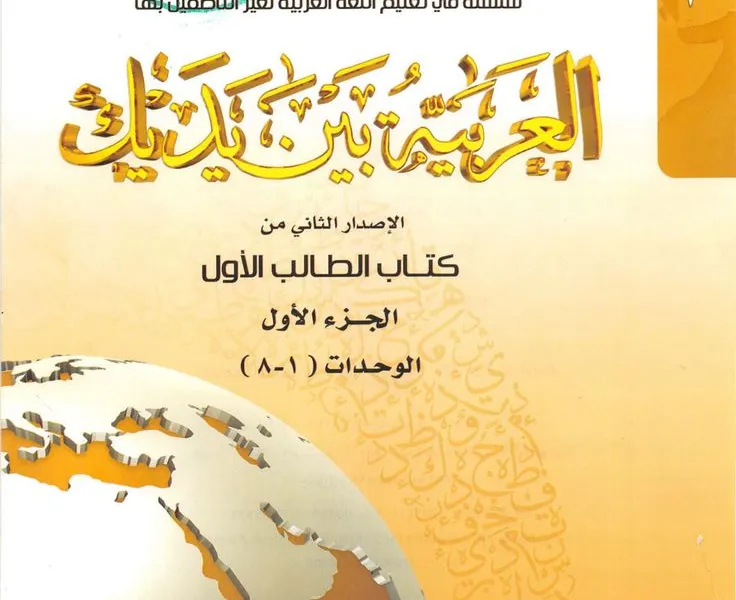
Primary text: Al-Arabiyyah Bayna Yadayk — Book 1 (2nd Revised Edition)
Ustadh Malik
Syllabus
Week 1 Unit 1 — Greetings & Introductions (التحية والتعارف)
Learn to greet, introduce yourself, ask about names, countries, and nationalities. First encounter with Arabic letters.
Unit 1 — Greetings & Introductions (التحية والتعارف)
Learn to greet, introduce yourself, ask about names, countries, and nationalities. First encounter with Arabic letters.
- السلام عليكم — greetings and responses
- ما اسمك؟ / مِن أين أنت؟ — asking about name and origin
- Question particles: هل، مَن، ما، أين، مِن أين
- Demonstratives: هذا (this, m.) / هذه (this, f.)
- Sounds focus: ع / ء
Week 4 Unit 2 — Family (الأسرة)
Introduce family members, describe relationships, and learn numbers 1–6.
Unit 2 — Family (الأسرة)
Introduce family members, describe relationships, and learn numbers 1–6.
- Family vocabulary: أب، أم، أخ، أخت، زوج، ابن، بنت
- Possessives: أبي، أمي، أخي
- Numbers 1–6 and counting family members
- أين + location questions
- Sounds focus: ق / ك
Week 7 Unit 3 — Housing (السكن)
Describe your home, ask about accommodation, and name rooms and furniture.
Unit 3 — Housing (السكن)
Describe your home, ask about accommodation, and name rooms and furniture.
- أين تسكن؟ — asking about accommodation
- Rooms, furniture, and household items
- ماذا (what + verb), كم (how many)
- Prepositions: في، على، تحت
- Sounds focus: ح / هـ
Week 10 Unit 4 — Daily Life (الحياة اليومية)
Tell the time, describe your daily routine, and talk about transport.
Unit 4 — Daily Life (الحياة اليومية)
Tell the time, describe your daily routine, and talk about transport.
- كم الساعة؟ — telling the time
- Present tense (المضارع) — first verb conjugation
- Future with سـ prefix
- متى (when) — time questions
- Sounds focus: ط / ت
Week 13 Unit 5 — Food & Drink (الطعام والشراب)
Order food, express likes and dislikes, and learn restaurant vocabulary.
Unit 5 — Food & Drink (الطعام والشراب)
Order food, express likes and dislikes, and learn restaurant vocabulary.
- أريد... من فضلك — polite requests
- أحب / لا أحب — expressing preferences
- Negation with لا + present tense
- Feminine 2nd person: تفعلين
- Sounds focus: ق / ك
Week 16 Unit 6 — Prayer (الصلاة)
Discuss prayer times, learn imperative commands, and master numbers 7–10.
Unit 6 — Prayer (الصلاة)
Discuss prayer times, learn imperative commands, and master numbers 7–10.
- Five daily prayer names and times
- Imperative (فعل الأمر): صلِّ، اقرأ، اكتب
- لماذا (why) — asking for reasons
- Numbers 7–10
- Sounds focus: ص / س
Week 19 Unit 7 — Study (الدراسة)
Talk about school, subjects, future plans, and past experiences.
Unit 7 — Study (الدراسة)
Talk about school, subjects, future plans, and past experiences.
- ماذا تدرس؟ — asking about studies
- Future with سوف / سـ
- Past tense (الماضي) — first person
- كان (was) — past states
- Sounds focus: غ / ع
Week 22 Unit 8 — Work (العمل)
Ask and answer about professions, workplaces, and work hours.
Unit 8 — Work (العمل)
Ask and answer about professions, workplaces, and work hours.
- ما عملك؟ — asking about professions
- أيضاً (also) — sentence connectors
- Fronted predicate (الخبر المقدم)
- Full question particle review (all 9 particles)
- Sounds focus: ش / س
Week 25 Mid-Term Test (الاختبار النصفي)
Comprehensive assessment covering Units 1–8: listening, reading, grammar, writing, and speaking.
Mid-Term Test (الاختبار النصفي)
Comprehensive assessment covering Units 1–8: listening, reading, grammar, writing, and speaking.
- Listening comprehension (dialogues)
- Reading comprehension (short passages)
- Grammar (all structures from Part 1A)
- Writing (guided paragraph)
- Speaking (3-minute guided conversation)
Week 26 Unit 9 — Shopping (التسوق)
Shop in Arabic — ask prices, describe items, and learn colours and clothing.
Unit 9 — Shopping (التسوق)
Shop in Arabic — ask prices, describe items, and learn colours and clothing.
- بكم هذا؟ — asking prices
- Colours and clothing vocabulary
- Dual (المثنى): كتابان، قلمان
- ليس (negation of nouns)
- Sounds focus: ط / ت
Week 28 Unit 10 — Hajj (الحج)
Talk about Hajj rituals, compare things, and master the full past tense.
Unit 10 — Hajj (الحج)
Talk about Hajj rituals, compare things, and master the full past tense.
- Hajj rituals and religious vocabulary
- Comparative/superlative (أسماء التفضيل): أكبر، أصغر
- Full past tense conjugation (all persons)
- Direct object (مفعول به)
- Sounds focus: ط / ض
Week 30 Unit 11 — Wishes & Aspirations (التمني والأماني)
Express wishes, give opinions, and discuss aspirations.
Unit 11 — Wishes & Aspirations (التمني والأماني)
Express wishes, give opinions, and discuss aspirations.
- أتمنى أن... — expressing wishes
- ما رأيك في...؟ — asking opinions
- كيف (how) — manner questions
- Prepositions: في، إلى، من، مع
- Sounds focus: د / ض
Week 32 Unit 12 — Hobbies (الهوايات)
Discuss hobbies, favourites, and ongoing activities.
Unit 12 — Hobbies (الهوايات)
Discuss hobbies, favourites, and ongoing activities.
- ما هوايتك؟ — asking about hobbies
- ما زال (still) — ongoing states
- Demonstrative + adjective patterns
- Feminine 2nd person review: تفعلين
- Sounds focus: ف / هـ
Week 34 Unit 13 — Travel (السفر)
Navigate airports, ask for help, and report lost items.
Unit 13 — Travel (السفر)
Navigate airports, ask for help, and report lost items.
- أريد تذكرة إلى... — booking travel
- جوازك من فضلك — airport phrases
- Question particle consolidation
- Negation review
- Sounds focus: ط / ت
Week 36 Unit 14 — Hajj & Umrah (الحج والعمرة)
Describe Hajj and Umrah rituals in detail, and master numbers 3–10 with counted nouns.
Unit 14 — Hajj & Umrah (الحج والعمرة)
Describe Hajj and Umrah rituals in detail, and master numbers 3–10 with counted nouns.
- Hajj & Umrah ritual narration
- Numbers 3–10 with gender agreement (تمييز العدد)
- Accusative case (المنصوب)
- Time expressions with متى and كيف
- Sounds focus: ح / هـ
Week 38 Unit 15 — Health (الصحة)
Visit the doctor, describe symptoms, and learn conditional sentences.
Unit 15 — Health (الصحة)
Visit the doctor, describe symptoms, and learn conditional sentences.
- عندي موعد مع الطبيب — medical appointments
- Body parts and symptom descriptions
- Conditional: إذا + past tense
- هل لديك — possession questions
- Sounds focus: ض / د
Week 40 Unit 16 — Vacation (العطلة)
Plan holidays, describe weather, and narrate group activities.
Unit 16 — Vacation (العطلة)
Plan holidays, describe weather, and narrate group activities.
- أين ستسافر في العطلة؟ — holiday planning
- Weather: الجو حار / بارد / ممطر
- Months of the year and seasons
- Plural verbs with واو الجماعة
- Sounds focus: ظ / ذ
Week 42 Final Test (الاختبار النهائي)
Comprehensive assessment covering all 16 units: listening, reading, grammar, writing, and speaking.
Final Test (الاختبار النهائي)
Comprehensive assessment covering all 16 units: listening, reading, grammar, writing, and speaking.
- Listening comprehension (dialogue + paragraph)
- Reading comprehension (extended passage)
- Grammar (all structures from Book 1)
- Writing (guided paragraph: past, present, and future)
- Speaking (5-minute guided conversation)
Course Overview
This beginner Arabic course uses the widely respected Al-Arabiyyah Bayna Yadayk (Arabic Between Your Hands) — Book 1, 2nd Revised Edition. Across 16 structured units, students develop foundational skills in reading, writing, listening, and speaking Modern Standard Arabic, building towards engagement with classical Islamic texts.
What You Will Study
- Primary Text: Al-Arabiyyah Bayna Yadayk — Book 1 (Parts 1A & 1B)
- 16 units covering greetings, family, housing, daily life, food, prayer, study, work, shopping, Hajj, wishes, hobbies, travel, Umrah, health, and vacation
- Grammar progression from basic question particles through present/past/future tenses, imperatives, comparatives, conditionals, and number agreement
- 4 skills developed in every unit: listening, speaking, reading, and writing
- Mid-term and final assessments
Course Structure
Part 1A — 3 sessions per unit
- Session A — All Dialogues + Vocabulary: Topic introduction through conversation and word-building
- Session B — Grammar + Sounds + Speaking: Structures, pronunciation, and oral practice
- Session C — Reading + Writing + Consolidation: Text comprehension, written production, and unit review
Part 1B — 2 sessions per unit (faster pace)
- Session A — Dialogues + Vocabulary + Grammar: Full topic and structures in one session
- Session B — Skills + Consolidation: Sounds, listening, speaking, reading, writing, and review
Part 1A — Units 1–8 (Weeks 1–25)
| Unit | Topic | Key Grammar |
|---|---|---|
| 1 | Greetings & Introductions (التحية والتعارف) | Demonstratives, question particles |
| 2 | Family (الأسرة) | Possessives, numbers 1–6 |
| 3 | Housing (السكن) | ماذا, كم, prepositions |
| 4 | Daily Life (الحياة اليومية) | Present tense, future سـ, time |
| 5 | Food & Drink (الطعام والشراب) | Negation, feminine تفعلين |
| 6 | Prayer (الصلاة) | Imperative, لماذا, numbers 7–10 |
| 7 | Study (الدراسة) | Future سوف, كان, past tense |
| 8 | Work (العمل) | أيضاً, fronted predicate |
Covers the foundations. By the mid-term test (Week 25), students can introduce themselves, describe their lives, ask and answer questions, give commands, and talk about the past and future.
Part 1B — Units 9–16 (Weeks 26–42)
| Unit | Topic | Key Grammar |
|---|---|---|
| 9 | Shopping (التسوق) | Dual, ليس, بكم |
| 10 | Hajj (الحج) | Comparative, full past tense, direct object |
| 11 | Wishes (التمني والأماني) | ما رأيك, كيف, prepositions |
| 12 | Hobbies (الهوايات) | ما زال, demonstrative + adjective |
| 13 | Travel (السفر) | Question particle review, negation |
| 14 | Hajj & Umrah (الحج والعمرة) | Numbers 3–10, accusative |
| 15 | Health (الصحة) | Conditional إذا, هل لديك |
| 16 | Vacation (العطلة) | Plural verbs, weather, months |
Builds on the foundations. By the final test (Week 42), students can narrate events, express opinions, use numbers confidently, and engage in extended conversations on everyday topics.